

PACHACAMAC Hermitage
We leave behind the constant input of everyday life. No news, no social media, no endless stream of distractions. Instead, we spend time in nature, listening to the wind, the birds, and sometimes simply to the silence. Because only when the world around us becomes quiet can true stillness arise within us. And only then can we hear our inner voice again.
We do not walk this path alone. When people meet each other with openness and presence, calmness and a sense of safety naturally begin to spread from one person to another. Psychology calls this process **co-regulation**. The calm of the individual becomes the calm of the group—a space where many experience a profound sense of connection.
We do not see the ancient Oracle of Pachacamac as a place that provides answers. We see it as a place where your own answers can emerge. Not through teachings or instruction, but through silence, nature, and genuine human connection.
PACHACAMAC is intentionally small. Few people. Plenty of space. Plenty of time. Not for distraction, but for returning to yourself.
The Hermitage PACHACAMAC gives you nothing that is not already within you. It simply creates the space in which you can hear it again.
If you feel that this place is relevant for you, you can request access here.


Why is the place called PACHACAMAC?
Pachacámac is an archaeological site located 40 kilometers southeast of Lima, Peru, in the valley of the Lurín River. The site was first settled around 200 A.D. and named after the “God of Fire” and “Creator of the World,” Pacha Kamaq (Spanish: PACHACAMAC).
The term “PACHACAMAC” comes from the Quechua language: “Pacha” means Earth, World, Universe, Space, and Time; the word “Camac” means Creator, Maker, and Source.
Pachacámac was founded by the Lima Culture (250 A.D. – 650 A.D.), later developed by the Wari Culture (650 A.D. – 1200 A.D.), then by the Ychma/Ichma Culture (1200 A.D. – 1470 A.D.), and was finally taken over by the Incas (1470 A.D. – 1535 A.D.).
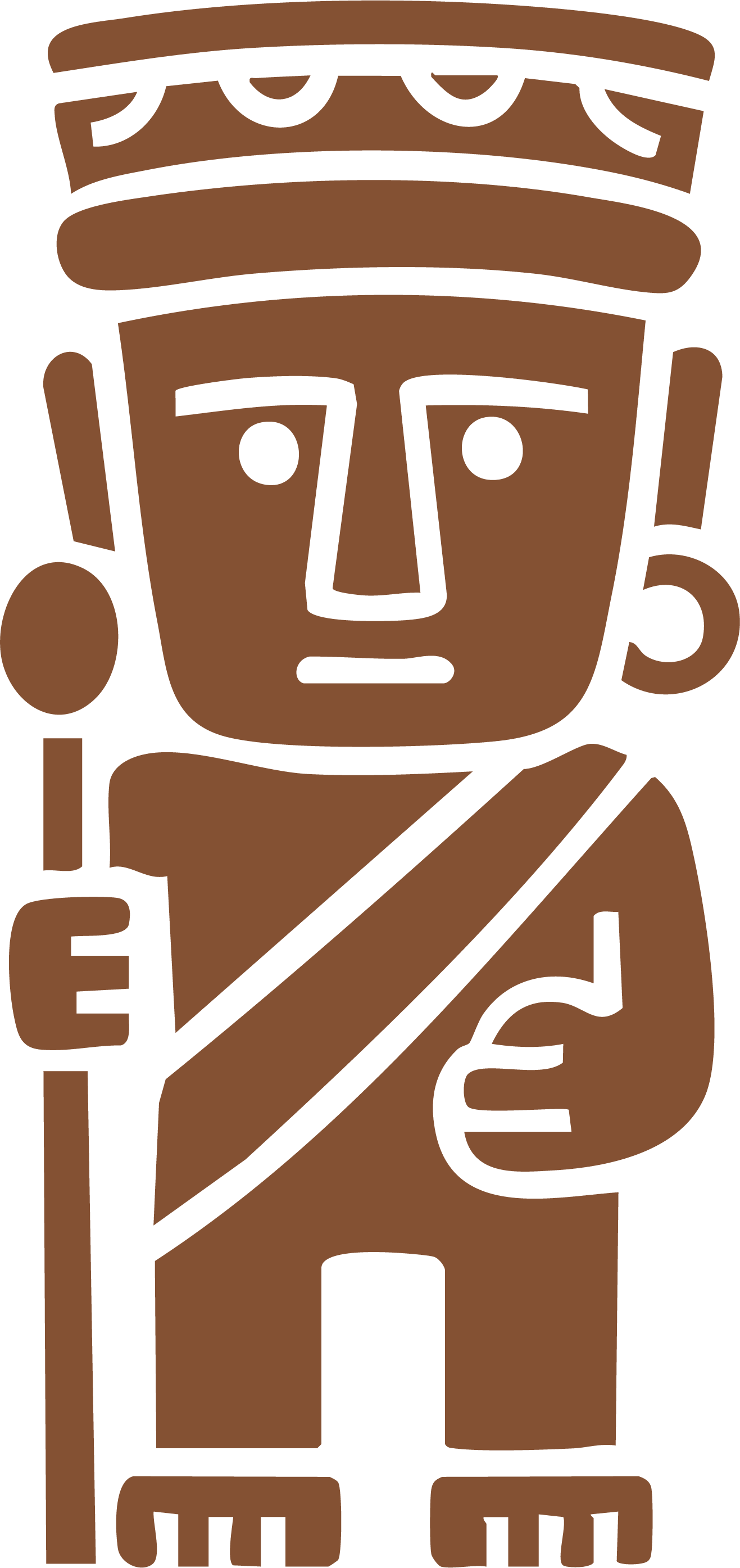
During pre-Hispanic times, PACHACAMAC was a ceremonial center with many buildings constructed by different cultures. It contained pyramid-shaped temples, residential structures, and frescoes adorning adobe walls (made of clay, sand, straw, and water). There was also a totem pole — a physical representation of the god PACHACAMAC.
The site flourished for about 1,300 years until the Spanish invasion. The PACHACAMAC temple served to worship “Pacha Kamaq,” the creator god of the Ichma culture. Because of its strong spiritual energy, both the site and the deity were integrated into Incan culture.
In Incan mythology, PACHACAMAC became the husband of Pachamama (Mother Earth). Pachacámac is a fascinating place, full of history and spiritual significance. As one of Peru’s most important archaeological sites, it played a central role in the pre-Columbian Andean world and attracted pilgrims from many regions who sought guidance from the “Oracle of Pachacámac.”
The oracle was known as a medium — a spiritual presence that responded to the needs and questions of the people, offering them orientation and insight.
By the time of the Inca civilization, Pachacámac had become a purely spiritual center, free from specific religion or divine dedication.
When people visit places whose energy allows for deep reflection or inner clarity, the experience often has a transformative personal effect.
PACHACAMAC Mallorca carries a similarly powerful energy.
Nestled in the mountains and surrounded by 700,000 square meters of protected natural land, it is a place of transformation.
